How a Multiplier in Slots Shapes Real Payout Patterns
What a Multiplier Actually Does Under the Reels
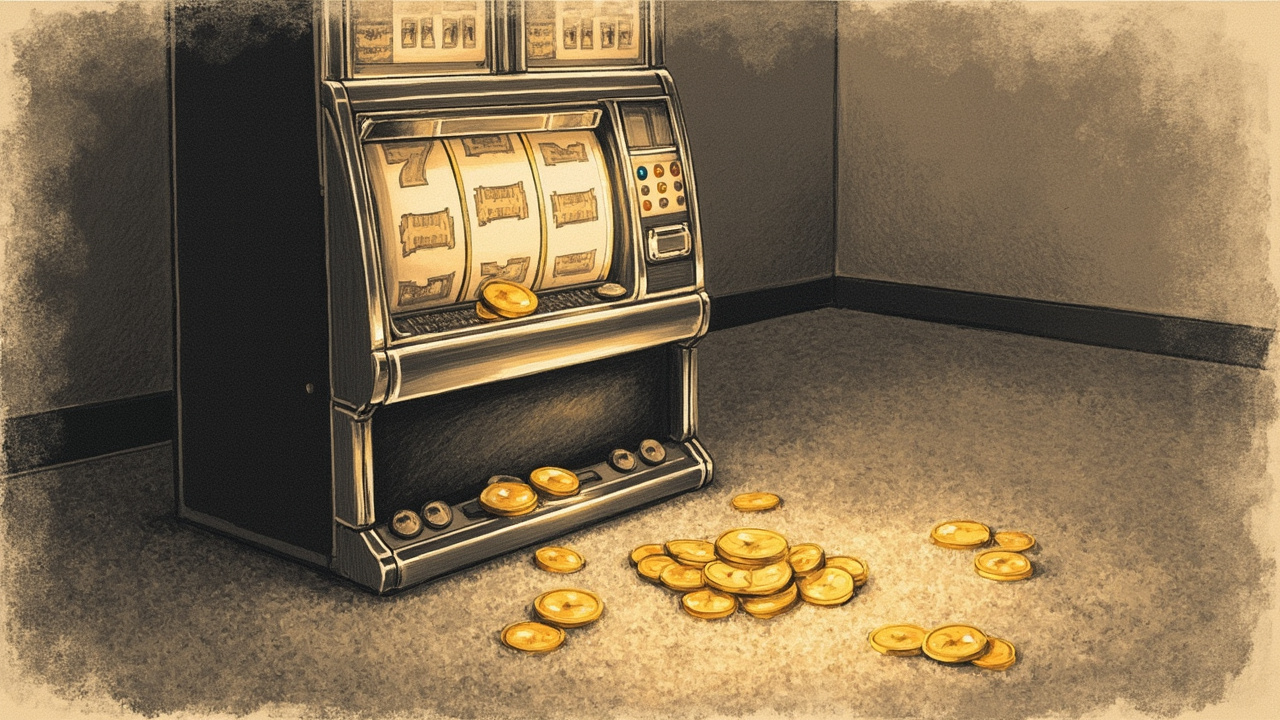
A multiplier in slots is not a bonus button you press to force a win; it is a mathematical layer that scales a base payout by a fixed or growing factor. When you sit down at a Brisbane café on a hot arvo and watch a cluster of symbols big-red-online-pokies.com land, the multiplier is the quiet arithmetic deciding whether that line pays out two times your stake or twelve. I have spent years watching prediction markets and exchange APIs behave under real liquidity, and the same discipline applies here: a multiplier is only as useful as the volatility profile it rides on. A high figure on a low-hit machine can look impressive on a feature reel and still leave your bankroll thin by the time you walk away. Red Centre Analytics tracks session length against feature frequency, and Olivia Williams, Commercial Director at Red Centre Analytics, notes that operators who publish clear RTP ranges alongside multiplier caps tend to see steadier repeat play than those that hide the math behind flashing animations. The practical takeaway is simple: treat the multiplier as a pacing tool, not a promise. If you are comparing machines on a busy evening, the factor that matters is how often the game triggers the multiplier and whether it stacks, retriggers, or resets on a loss. That distinction is what separates a session you can plan around from one that runs on hope alone.
How to Read the Paytable Before You Spin
Reading a paytable is the closest thing to checking an odds board before a match, and the habit pays off the same way. I have built automated sports workflows that parse exchange APIs for price drift, and the discipline translates directly to slots: you want to know where the multiplier sits, what triggers it, and whether it applies to base game wins, free spins, or both. Some titles apply a flat two times factor to a selected symbol, while others let a cascade or retriggered feature push the figure higher across consecutive rounds. The difference matters because a multiplier that only activates in a bonus round changes your expected session shape entirely. Southern Reef Gaming works with operators on feature positioning, and Henry Patel, Head of Operator Partnerships at Southern Reef Gaming, cautions that players often overvalue a headline multiplier without checking the hit frequency that surrounds it. A sensible approach is to map three things before you commit stake: the base volatility, the trigger condition for the multiplier, and the cap that limits how high it can climb. If you are playing on mobile between meetings, the same discipline applies; a compact paytable screenshot or a quick read of the feature rules is worth more than a guess. You do not need to chase the largest number on the screen; you need the one that fits the pace you can actually sustain.
| Feature type | Typical trigger | Multiplier behaviour | Session impact |
|---|---|---|---|
| Base game symbol | Land designated icon on an active line | Fixed factor applied to that win only | Small, frequent boosts; low variance shift |
| Free spins round | Scatter or bonus trigger | Factor can stack or retrigger across spins | Larger swings; pacing depends on round length |
| Cascading/re-spins | Winning symbols disappear and new ones fall | Multiplier may step up with each cascade | Momentum-driven; cap matters more than headline figure |
| Random wild multiplier | Wild lands with attached factor | Applied to that line or cluster only | Unpredictable; best treated as occasional upside |
Where Ongoing Value Actually Lives After the Welcome
The welcome offer gets you in the door, but the multiplier in slots only becomes useful over time if the surrounding promos, cashback, and loyalty mechanics reward repeat play rather than one-off noise. I have seen iGaming exits where the post-welcome retention curve mattered more than the launch spike, and the same logic holds here: a site that keeps you engaged with weekly cashback, tournament seats, or a points ladder gives you a reason to return when the bonus money has been used. Swan River Interactive builds loyalty flows for operators, and Samuel Lewis, Commercial Director at Swan River Interactive, argues that players stick around when the recurring value is transparent and the wagering on ongoing promos is easier to track than the first deposit bonus. For an Australian player, that often means checking whether cashback applies to net losses on a weekly cycle, whether tournament entry is automatic or requires a separate opt-in, and whether the loyalty tier actually improves withdrawal speed or bonus eligibility. Payments should be straightforward too: AUD-denominated balances, clear minimum and maximum limits, and a registration flow that does not bury the verification steps. You want a mobile experience that loads the same game grid you saw on desktop, with support that responds in a reasonable window rather than a generic ticket queue. The multiplier itself is only one part of the session; the recurring structure around it is what decides whether you keep coming back after the first few spins.

If you are weighing a new account, the practical move is to compare the ongoing promos before you fund, not after. A site that posts its cashback percentage, tournament schedule, and loyalty tier benefits in plain language gives you something real to measure against your own pace. You can also check whether the operator runs a ozwin bonus no deposit for new sign-ups, which is one way to test the game grid and payment flow before you commit stake. When you are reading feature rules on a sea-themed title, the same attention to detail applies; a ocean imagery slots piece is a useful reminder that theme and mechanics are separate things, and the multiplier still has to follow the paytable. Keep your stake size tied to the volatility you can live with, treat the multiplier as a pacing layer, and let the recurring promos do the work of keeping the session interesting.