

What Is House Edge in Gambling and How It Shapes Your Play
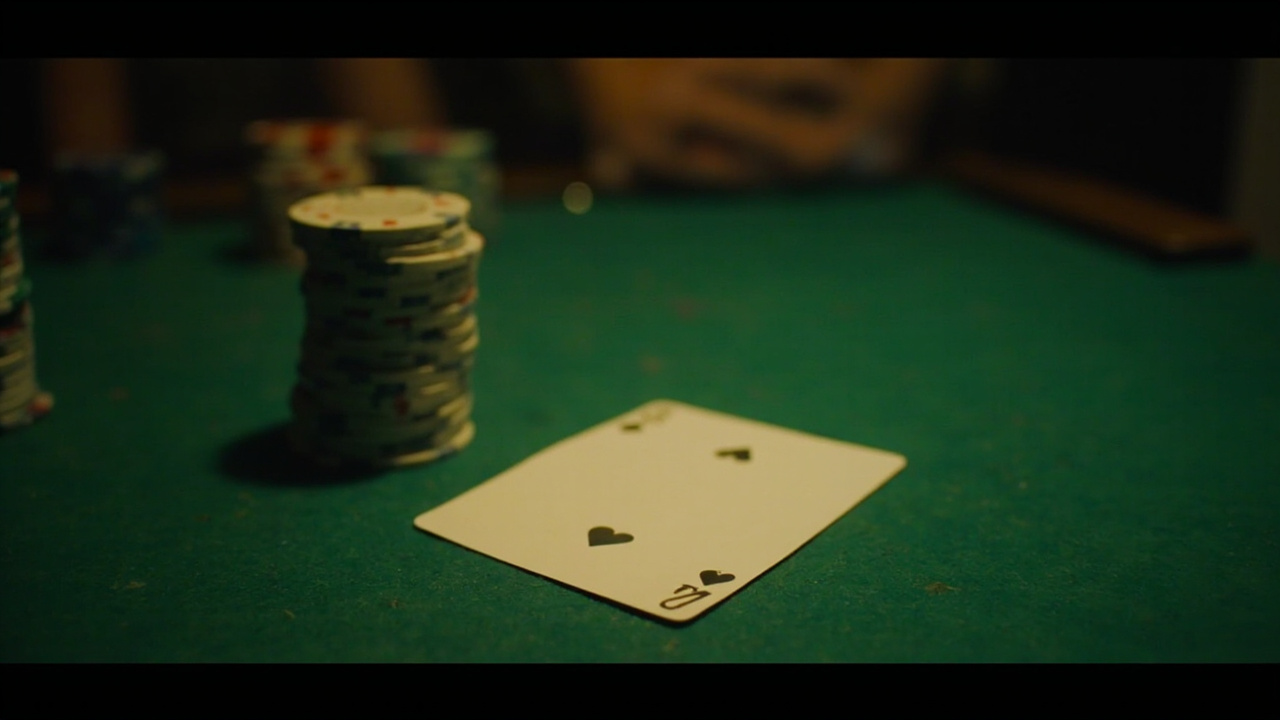
If you have ever wondered why the pokies keep pulling you back despite the occasional dry run, the answer usually sits in the maths behind the screen. House edge is the built-in advantage a casino holds over every bet you place, baked into the rules and the reel strips long before you tap spin. It is not a rigged trick, and it is not a secret fee you can dodge with a clever strategy. Think of it as the operator’s margin, the quiet arithmetic that keeps the lights on and the jackpots funded. When you understand what is house edge in gambling, you stop chasing losses like they are personal slights and start reading the product the way a designer reads a layout: knowing where the weight sits, where the eye lands, and what the whole composition is actually built to do.
I spent years in a Playtech art-direction room, watching creative directors argue over how a slot’s paytable should breathe, how much screen real estate the bonus meter deserves, and whether a cascade animation should feel snappy or indulgent. That same instinct applies here. The house edge is not a hidden switch you flip; it is the structural logic of the game, and reading it honestly is the difference between a session that feels controlled and one that feels like it is running you. thepokies.net free spins 2026
House Edge in Australian Play: The Numbers Behind the Reels
On the floor of a Sydney club or on a mobile screen during a late arvo, the edge shows up in different clothes. A classic pokies title might carry an edge around five to six per cent on standard lines, while a well-tuned video slot can sit closer to three to four per cent once you account for volatility and the frequency of small returns. Table games tell a different story: blackjack with proper basic strategy can dip near half a per cent, whereas roulette’s house edge is locked by the wheel layout itself, usually around two to three per cent depending on the variant. The point is not to memorise every figure but to recognise that the product you are sitting with has a built-in tilt, and that tilt changes how often you get paid, how big those payments feel, and how long a balance tends to stretch.
From a presentation standpoint, the edge is often disguised by motion and sound. A Playtech-style creative workflow will layer in celebration animations, expanding symbols, and a bonus meter that fills with satisfying increments, all of which make a three per cent edge feel lighter than it is. The reels can be beautiful, but the maths does not care about the polish. If you are comparing titles, look past the theme and check the return-to-player range, the bet sizing options, and whether the paytable actually rewards the lines you are playing. That is where the edge becomes visible, and where you can decide whether a game’s rhythm suits your bankroll or just your eye.
• Check the published return-to-player range before you commit to a session
• Match your line bet to a balance that can absorb a normal dry streak
• Treat bonus features as entertainment, not as a way to cancel the edge
• Keep your spin pace steady so the maths has room to behave as expected
How the Edge Shapes Slot Presentation and Player Experience
Slot presentation is where the house edge and the player’s mood meet, and it is worth treating it like a design brief rather than a lucky charm. The way a game introduces its free spins, the timing of a hold-and-win feature, and the clarity of the paytable all influence how a player reads risk. A title that spaces out small wins with occasional larger payouts can feel generous in the short term while still carrying its edge in the long run. That is not a flaw; it is the expected behaviour of a game built to keep attention without promising anything it cannot deliver.
In my own work, I have seen creative teams adjust a bonus meter’s fill rate simply to change the emotional cadence of a session, not to alter the underlying return. The lesson is straightforward: presentation can make a game feel more or less tense, but it cannot move the edge out of the room. If you are picking a pokies title for a quiet session, look for a paytable that is easy to scan, a bonus trigger that is explained plainly, and a bet structure that lets you stay in the game without constantly reworking your stake. The best presentation is the one that tells you what you are playing, not the one that tries to sell you on a feeling.
Trust, Support and Account Controls That Keep Play Sensible
A clear house edge means little if the platform around it is sloppy, because the maths only matters when the environment is honest. Licensing, security, and support are the frame around the canvas, and they are what let you read the game without second-guessing the operator. In Australia, legitimate offerings work within the local regulatory space, and any site worth your time makes its licence status, privacy practices, and responsible-play tools easy to find rather than hiding them behind a flashy header.
I have always judged a product by how calmly it handles the boring stuff. A good operator will give you straightforward account controls, a visible way to set deposit or time limits, and support that answers questions without making you jump through hoops. Privacy matters here too: your play history and payment details should be handled with the sort of care you would expect from any serious digital service, not treated like an afterthought. If you are comparing options, look for a site that presents its rules plainly and lets you manage your session before you are already deep into it.
When I talk to operators about player-facing design, I always push for the same thing: make the controls visible before the excitement takes over. A deposit limit should be easy to set on a Tuesday morning, not buried behind three menus at midnight. Support should feel like a real channel, not a canned ticket system that vanishes when the question gets specific. That is the side of the business that protects the player, and it is the part that separates a considered product from a noisy one.
A Conversation on Edge, Volatility and Where Players Fit
I sat down with a product designer who has spent years balancing reel behaviour, bonus pacing, and return targets, and the conversation kept circling back to the same point: players do not need a lecture, they need a clear map of what they are actually signing up for. He described volatility as the shape of the ride, while the house edge is the cost of the ticket. A high-volatility title can feel rough over a short session and then deliver a larger moment, while a lower-volatility game tends to return smaller amounts more often. Neither one removes the edge; they just change how it feels while you are sitting there.
He also pointed out that many players confuse a big win with a better game, when in reality the win was just the variance doing its job. That is a useful distinction, especially for anyone who likes a session with a clear stop point. If you are the sort of player who wants a steadier rhythm, a lower-volatility slot with a readable paytable and a sensible stake ladder may suit you better than a loud title that promises drama and then asks for patience. If you prefer the opposite, you can still play responsibly by sizing your bets to the swings rather than to the highlight reel.
Player-Fit Scenarios: Picking the Right Session for Your Style
The right game depends on what you want from the session, not on which theme looks best at a glance. If you are playing for a short, social arvo with mates at a Sydney venue or from the couch, a lower-edge table game or a steadier pokies title can keep the pace comfortable and the balance visible. If you are chasing a bigger moment and are comfortable with longer dry stretches, a higher-volatility slot can fit that mood, provided you have set a limit that you will actually respect when the reel noise gets loud.
There is also the practical side of bankroll management, which is where the house edge stops being an abstract idea and becomes a real planning tool. If you know a game tends to return smaller amounts more often, you can structure your stake so the session lasts the way you want it to. If you know a title is built around fewer, larger hits, you can avoid overcommitting early and give the variance room to do what it is designed to do. The edge is the same in both cases; the difference is whether you are playing to the game’s rhythm or fighting it.
For players who value control, the most useful habit is to decide the session before the first spin, not after the first big near-miss. Set a limit, pick a game whose volatility matches your patience, and treat the bonus features as part of the presentation rather than a promise of a different outcome. That way the edge stays in its place as a fact of the product, and you stay in charge of how long you stay.
House edge is not a trick, and it is not something you can outsmart with a lucky ritual. It is the built-in margin that explains why a game pays the way it does over time, and understanding that fact makes it easier to pick titles that suit your style, your bankroll, and the kind of session you actually want. If you are comparing options, look for clear presentation, sensible account controls, and a platform that treats responsible play as part of the product rather than a footnote. When the maths and the environment are both honest, you can enjoy the session for what it is, without expecting the reels to rewrite the rules on your behalf.