

H1: How a bingo leaderboard challenge shapes your weekly bingo session
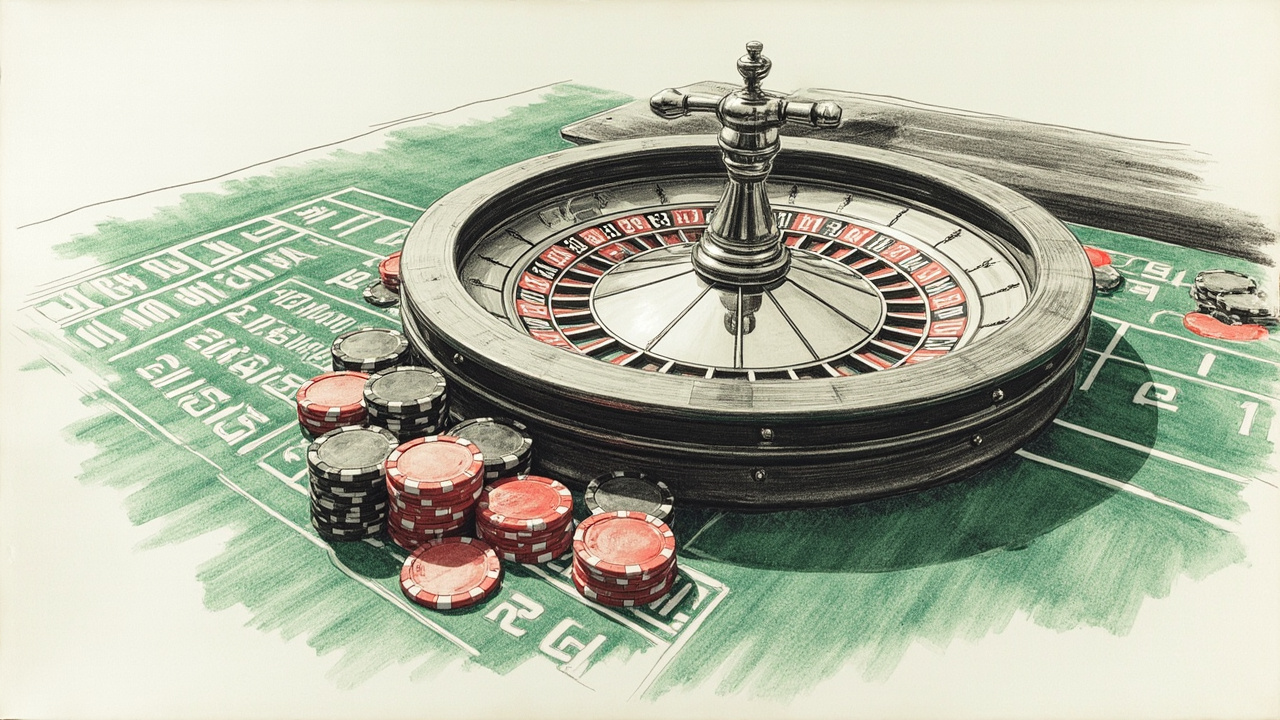
Walking into a bingo hall on a Saturday arvo has a particular rhythm to it. You grab a dauber, claim a seat near the aisle, and watch the caller pace through the numbers while the room settles into that busy hum. A bingo leaderboard challenge works the same way online, except the board is a live ranking that updates as you mark cards and the crowd is spread across states instead of one venue. If you play bingo in Australia, you have probably noticed how a ranking can change the pace of a session without changing the game itself. The real question is whether that extra layer suits the way you actually like to play.
The leaderboard sits on top of ordinary bingo rather than replacing it. You still buy cards for a standard 90-ball or 75-ball draw, but each completed line or full house earns points that feed a weekly ranking. Easygo built bingo leaderboard challenge around that idea, keeping the core bingo round intact while adding a separate scoreboard that resets every seven days. The platform runs on several established bingo providers, so the cards, patterns, and call speeds stay familiar, while the challenge layer sits as a separate tab rather than a different product. Players can switch between a casual card and the ranked mode without starting a new account, which matters if you want a low-key arvo session one day and a proper push the next. The scoring is straightforward enough to follow mid-round: a single line gives a modest bump, a two-line finish moves you further up, and a full house usually shifts a few rows on the board. There is no complicated multiplier tree to memorise, just a clear run of rewards that match how far you get in the draw.
A compact comparison helps when you are deciding whether the ranking suits your style.
| Feature | Casual bingo session | Leaderboard challenge mode |
| Card type | Standard 90-ball cards | Standard 90-ball cards, same patterns |
| Scoring | No scoreboard tracking | Points per line and full house, weekly reset |
| Entry | Buy cards as usual | Same entry, with a separate ranking tab |
| Pace | Player-controlled | Same call speed, added ranking awareness |
| Typical use | Relaxed single session | Sessions where you want a visible target |
The table is not about ranking one mode above the other; it is about spotting which one fits the way you play. Some players in Brisbane like to keep a casual card open while they watch the board tick over, then buy a second pack when the ranking looks close enough to chase. Others treat the challenge as the main draw and only pick up ordinary cards when the leaderboard is quiet. Either way, the bingo side stays the same, which is the point.
For beginners, the easiest way to approach a bingo leaderboard challenge is to treat it like a weekly target rather than a single session. Start with one pack of cards so you can read the ranking without feeling rushed. Watch how the board moves during the first couple of draws and note whether your usual card size keeps you in the middle of the pack or leaves you out of contention. If you are only playing for a quiet session, a single pack is on the brand’s web portal usually enough and you can still see where you sit. If you want to climb a few rows, add a second pack only when the draw pattern looks familiar and you know the call speed. Keep an eye on the reset day rather than chasing a snapshot from midweek, because the board clears and the rankings rebuild from scratch. A sensible habit is to set a small spend limit before you buy in, then stick to it regardless of where you land on the board. That keeps the challenge fun without turning it into a session that runs longer than you planned. When you are new to the ranking, it helps to separate the two things in your head: the bingo round is about marking cards and completing patterns, while the leaderboard is about how those results stack up across the week.
Once you have established a steady pace, you can gradually introduce more complex goals to keep the experience fresh. Many players find it helpful to test new strategies in a risk-free environment before committing to a full ranked run. You can explore additional practice options at golden crown demo play to refine your timing without pressure.
The way a ranking changes behaviour is worth thinking about before you commit to a full week. James Fraser, Head of Analytics, Banksia Betting Partners, has watched how leaderboard-driven products affect session length in regional markets, and his read is that players tend to stretch a single evening into a few shorter visits rather than one long stretch. That pattern matters if you are the sort of player who likes a defined stop point. Lucas Stewart, Head of Public Relations, Sunburnt Country Interactive, takes a different line on the same feature, arguing that a visible board can make a bingo session feel more social without requiring a crowded room or a live caller in front of you. His point is that the ranking gives people something to talk about between draws, which is a different kindte of engagement from raw bonus chasing. Daniel Gibson, Head of Live Casino, Southern Cross Gaming Advisory, is more cautious about treating a leaderboard as a reason to buy extra cards, noting that the board should stay a side signal rather than the main reason a player sits down. His caveat is simple: if the ranking is the only thing keeping you at the table, the session has probably drifted away from bingo itself.
Payments and registration on bingo leaderboard challenge are kept deliberately plain. You sign up with the usual details, verify the account before any real-money play, and the platform supports Australian dollars as the default currency, so there is no currency conversion to sort out mid-session. Deposits and withdrawals run through the standard payment options the platform lists, and the timing depends on the method rather than on the bingo round itself. The mobile view keeps the same ranking tab and card layout, which is useful if you prefer to play from the couch rather than a desktop. Support is available through the usual channels, and the loyalty programme sits alongside the challenge rather than replacing it, so regular players can build their own track without the leaderboard being the only thing that matters. None of this changes the fact that bingo leaderboard challenge is a ranking layer on top of ordinary bingo, not a separate game with its own rules.
If you want to see how the ranking feels before you put any money in, a demo run is the easiest way to get a feel for the board without committing to a full session. You can spin up a quick look at the cards and the ranking layout through a golden crown demo play and watch how the board moves before you decide whether the weekly reset suits your rhythm. The demo does not replace a real bingo round, but it does show whether the challenge tab is the sort of thing you want sitting open beside your usual cards.
The practical takeaway is that a bingo leaderboard challenge works best when you already enjoy bingo and want a visible target on top of it. It is not a separate product that changes the way cards are called or marked, and it is not a substitute for the quiet session you might want on a slow week. For players who like a clear finish line and do not mind watching a board tick over between draws, the ranking adds a bit of structure without much extra complexity. For players who prefer to buy a pack, mark their cards, and log off when the round ends, the leaderboard can stay in the background without getting in the way. Either way, the feature is only useful if it matches the way you actually play bingo, not the way a marketing page says you should.Geld winnen met bingo: a closer